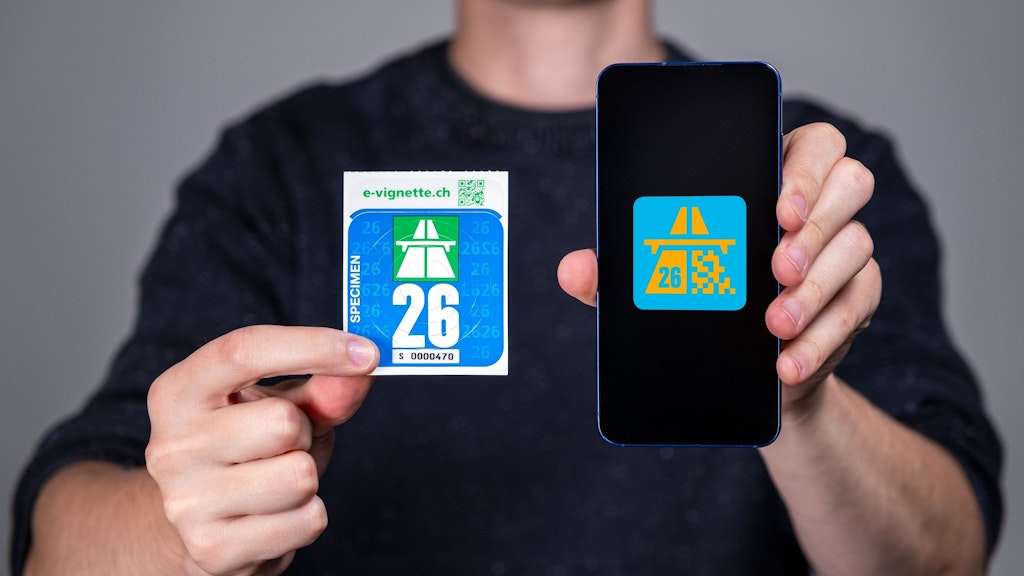
Planning a road trip through Switzerland? Then understanding the **Vignette Schweiz** is absolutely essential. This small sticker, or its modern digital counterpart, isn't just a recommendation – it's a mandatory road document that grants you access to Switzerland's impressive network of motorways and expressways. Failing to display a valid vignette can lead to significant financial penalties, turning a scenic drive into an unexpected expense. This comprehensive guide will walk you through everything you need to know about the Swiss vignette, from who needs it and how it works to its validity and the consequences of non-compliance.
What is the Vignette Schweiz and Who Needs It?
The **Vignette Schweiz** is essentially a road tax that must be paid by most vehicles intending to use Swiss national roads of the first and second class, which include the extensive motorway and expressway system. This mandatory payment ensures the upkeep and development of Switzerland's high-quality road infrastructure.
The requirement for a Swiss vignette applies to a wide range of vehicles, specifically all motor vehicles and trailers whose maximum gross vehicle weight (GVW) does not exceed 3.5 tonnes. This includes:
- Cars: Personal vehicles, regardless of their country of registration.
- Motorbikes: All two-wheeled vehicles used on Swiss motorways.
- Trailers and Caravans: This is a crucial point – if you are towing a trailer or caravan with a vehicle weighing up to 3.5t, both the towing vehicle and the trailer require their own separate vignettes. This means you will need to purchase two vignettes for your journey.
- Delivery Vans and Campers: Recreational vehicles and commercial vans also fall under the 3.5t limit and must display a valid vignette.
It's important to note the exception: heavy vehicles whose maximum gross weight exceeds 3.5 tonnes do not require a vignette. Instead, these larger vehicles are subject to a special heavy vehicle charge, a different system tailored to their specific impact on road infrastructure. So, if you're driving a standard car or pulling a caravan, the **Vignette Schweiz** is firmly on your travel checklist.
The Evolution of the Swiss Vignette: Sticker vs. E-Vignette
For decades, the Swiss vignette was exclusively a physical sticker that had to be prominently displayed on your vehicle's windscreen. While this traditional toll sticker is still available, Switzerland embraced modernization in August 2023, introducing a highly anticipated digital alternative: the **e-vignette**. This dual system offers drivers greater flexibility and convenience.
The introduction of the e-vignette was a game-changer for many. No longer is it necessary to physically attach a sticker to your vehicle, leaving adhesive residue or the hassle of removing it. Instead, you can now purchase a digital vignette online and receive confirmation via email. This digital solution is linked to your vehicle's license plate number, meaning enforcement can be done electronically, streamlining the process significantly.
Key Benefits of the E-Vignette:
- Convenience: Purchase from anywhere, anytime, without needing to stop at a border crossing or petrol station.
- No Physical Sticker: Keep your windscreen clear of adhesive and avoid the fuss of application and removal.
- Immediate Use: There's no cooling-off period; your e-vignette is valid instantly upon purchase.
- Flexibility: Ideal for rental cars, as you don't need to worry about sticking a physical vignette.
While the traditional toll sticker remains an option for now, the future is clearly digital. The Swiss authorities have indicated that physical stickers will eventually be phased out once 90% of users opt for the digital alternative. For a more detailed comparison of these two options and to help you decide which is best for your trip, check out our comprehensive guide:
Swiss Vignette Update: E-Vignette vs. Sticker – Key Differences. This resource offers valuable insights into their nuances and how they might affect your travel plans.
Validity Periods and How to Purchase Your Vignette
One of the most important aspects of the **Vignette Schweiz** to understand is its unique validity period. Unlike some other countries that offer shorter-term options (e.g., weekly or monthly vignettes), the Swiss vignette is exclusively sold as an annual pass.
Understanding the 14-Month Validity:
The annual Swiss vignette is valid for a generous 14-month period. Its validity always begins on December 1st of the year preceding the vignette's stated year and extends until January 31st of the following year. For example, a "2026" vignette will be valid from December 1st, 2025, until January 31st, 2027. This extended validity provides excellent value, especially for those who travel frequently to Switzerland or are planning trips across different calendar years. However, remember that the annual vignette does not apply retrospectively; it is valid from the moment of purchase within its designated period.
Where to Purchase Your Vignette:
Both the traditional sticker vignette and the modern e-vignette are readily available through various channels:
For Traditional Sticker Vignettes:
- Border Crossings: Purchase directly upon entering Switzerland at official customs points.
- Post Offices: Swiss Post offices across the country sell physical vignettes.
- Petrol Stations: Many petrol stations near the border and along major routes within Switzerland stock the stickers.
- Automobile Clubs: Organizations like TCS (Touring Club Switzerland) also offer them.
For the E-Vignette:
The digital e-vignette offers unparalleled convenience, allowing you to secure your access to Swiss motorways even before you start your journey.
- Official Portals: The Federal Office for Customs and Border Security (BAZG) operates the official online portal for purchasing the e-vignette.
- Trusted Online Providers: Many reputable online services and platforms also facilitate the purchase of the e-vignette, often offering user-friendly interfaces and diverse payment options.
When purchasing online, you'll simply need to provide your vehicle's license plate number. Confirmation of your purchase is typically sent via email, serving as proof of your valid e-vignette. This digital system means you can purchase your vignette literally minutes before crossing the border, or even while already on Swiss soil, and it will be immediately active. To ensure a smooth digital experience, delve deeper into how to acquire and manage your digital access with our guide:
Swiss E-Vignette 2025: Your Digital Guide to CH Motorways.
Most online platforms and official channels support a wide array of secure payment methods, including major credit cards, Google Pay, Klarna, Sofort, DISCOVER, and GiroPay, ensuring a safe and encrypted transaction process.
Navigating Swiss Motorways: Penalties and Compliance
The Swiss authorities take the mandatory vignette requirement very seriously. Using Swiss motorways and expressways without a valid vignette – be it a physical sticker or a digital e-vignette – is considered a toll evasion offense and will result in **significant financial penalties**. Enforcement is rigorous, carried out by border security, police patrols, and increasingly, through automated camera systems that can verify e-vignette validity by scanning license plates.
Consequences of Non-Compliance:
If you are caught without a valid vignette, you can expect to face:
- A hefty fine: This typically amounts to CHF 200 (Swiss Francs), plus the mandatory purchase of a valid vignette on the spot.
- Additional costs: If you are caught multiple times, you will incur multiple fines.
This makes the cost of non-compliance far greater than the price of the annual vignette itself.
Practical Tips for Compliance:
To ensure a smooth and penalty-free journey through Switzerland, keep these tips in mind:
- Plan Ahead: Purchase your vignette before you enter Switzerland, especially if you prefer the traditional sticker. The e-vignette can be bought last-minute online.
- Check Validity: Always double-check the validity dates of your vignette. Remember the unique 14-month cycle.
- Proper Placement (Sticker): If using a physical sticker, ensure it is affixed correctly to the inside of your windscreen (usually top-left or behind the rearview mirror), clearly visible from the outside, and not obscured. It must be permanently stuck, not just taped or placed.
- Keep Confirmation (E-Vignette): Although the e-vignette is digitally linked to your license plate, keeping a digital copy of your purchase confirmation (on your phone or email) can be helpful for your peace of mind.
- Trailer Awareness: Always remember the rule for trailers – they require their *own* separate vignette, even if your towing vehicle has one. This is a common oversight that leads to fines.
- Even Short Stays Count: There are no exceptions for short transits or brief uses of motorways. If you touch a motorway, you need a vignette.
Adhering to these regulations is not just about avoiding fines; it's about contributing to the excellent infrastructure that makes driving in Switzerland such a pleasant experience.
In conclusion, the **Vignette Schweiz** is a non-negotiable requirement for most vehicles traveling on Switzerland's motorways and expressways. With the choice between a traditional sticker and the convenient new e-vignette, acquiring this mandatory road document has never been easier. Understanding its 14-month validity, ensuring proper purchase, and being mindful of trailer requirements are key to a stress-free journey. By planning ahead and complying with the regulations, you can fully enjoy the breathtaking beauty and efficient road network that Switzerland has to offer, without the unwelcome surprise of a penalty. Drive safely, and enjoy your Swiss adventure!